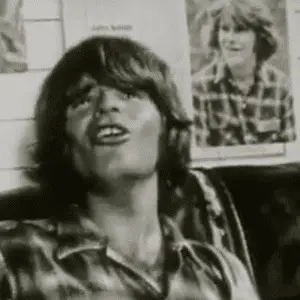
When I Want to Make It with You by Bread arrived in 1970, it didn’t chase attention—it earned it quietly. In an era dominated by psychedelic rock and louder experimentation, this soft, intimate ballad felt almost rebellious in its simplicity.
Written and performed by David Gates, the song embraced emotional honesty over grand gestures. Its message was direct, grounded, and deeply human—a reflection of love that didn’t rely on fantasy, but on possibility.
“Life is for us to keep… and if you’re wondering what this song is leading to…”
Musically, the track leaned into soft acoustic textures, gentle piano, and smooth orchestration. Gates’ voice carried a calm sincerity, drawing listeners into a space that felt personal and real.
Despite its understated tone, the song soared to No. 1 on the Billboard Hot 100, proving that vulnerability could resonate just as strongly as spectacle. It became Bread’s defining hit and a cornerstone of the soft rock movement.
But beyond charts and success, something deeper was happening—the song was quietly reshaping what a love song could sound like.