The Birth of a New Kind of Heartbreak
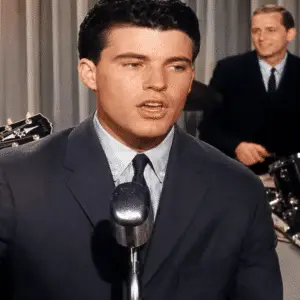
When Only the Lonely arrived in 1960, Roy Orbison didn’t just release a hit—he reshaped how emotion could live inside pop music. At a time when confidence and swagger dominated rock and roll, Orbison chose something far riskier: vulnerability.
“A song for the lonely, the lost, the invisible.”
With its haunting melody and slow-burning intensity, the track climbed to No. 2 on the Billboard Hot 100 and reached No. 1 in the UK. Backed by lush arrangements from Monument Records and producer Fred Foster, the song introduced Orbison’s now-iconic style—soft beginnings that rise into soaring, emotional peaks.
Unlike his contemporaries, Orbison didn’t perform heartbreak—he embodied it. His operatic voice, fragile yet powerful, turned sadness into something cinematic. In doing so, he gave listeners permission to feel deeply in a genre that rarely slowed down long enough to reflect.