Chapter 1: A Simple Song That Sparked a National Divide
When Merle Haggard released “Okie from Muskogee” in 1969, it arrived as more than just a country hit—it became a cultural lightning rod.
On the surface, the song felt straightforward. A steady rhythm, plainspoken lyrics, and small-town pride painted a picture of traditional American life.
“Sometimes the simplest songs carry the loudest messages.”
But beneath that simplicity was something far more complex. At the height of the Vietnam War era, America was deeply divided. Protests, counterculture movements, and generational clashes defined the moment—and this song stepped directly into that tension.
Lines rejecting marijuana use and embracing conservative values were embraced by some as patriotic truth, while others heard satire or quiet irony. That ambiguity turned the track into more than music—it became a conversation.
Rooted in the raw, stripped-down energy of the Bakersfield sound—shaped alongside artists like Buck Owens—Haggard delivered the song without excess, letting its message speak for itself.
Chapter 2: Watch the Video Here →
Over time, “Okie from Muskogee” proved that music doesn’t have to shout to divide opinion—it just has to be honest.
“A three-minute song can define an entire era.”
The track didn’t just top charts—it reshaped country music’s role in cultural debate. It gave voice to what many called the “silent majority,” while simultaneously inviting reinterpretation from unexpected places.
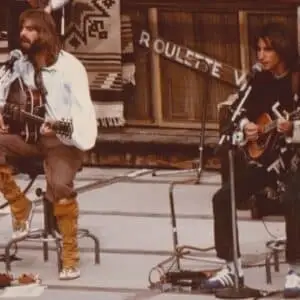
Even bands like Grateful Dead performed it, blurring the very lines the song seemed to draw. That alone showed how layered its meaning had become.
For Haggard, it transformed his career—elevating him from respected artist to national figure. But more importantly, it changed the genre itself. Country music became a space where identity, politics, and personal truth could collide openly.
Decades later, the song still sparks discussion. Was it sincere? Was it satire? The answer may be both.
And that’s exactly why it endures.
Because “Okie from Muskogee” doesn’t just reflect history—it challenges listeners to decide where they stand within it.