1966’s Class Tensions and Transforms Pop with Bittersweet Irony

Chapter 1: The Irony Behind a Summer Classic

When Sunny Afternoon arrived in June 1966, The Kinks delivered something quietly radical. While the charts leaned toward psychedelic excess, this track slipped in with a laid-back melody hiding a sharp, satirical edge.

“A lazy tune masking a restless truth.”

Written by Ray Davies, the song reflects a wealthy man unraveling—complaining about lost fortune, failed love, and fading status. But beneath the humor lies a critique of privilege and complacency. Inspired by Britain’s rising taxation in the 1960s, Davies turned frustration into storytelling, crafting a character both pitiful and absurd.

Musically, the track marked a departure from the band’s earlier raw rock sound. Produced by Shel Talmy, it embraced a softer, baroque-pop style. The honky-tonk piano, gentle rhythm, and descending bassline created a dreamy atmosphere that contrasted beautifully with its cynical narrative.

The result was immediate success—No. 1 in the UK and a strong showing in the U.S. Yet more importantly, it redefined what pop music could do. It proved songs could entertain while quietly challenging listeners to reflect on society, class, and identity.

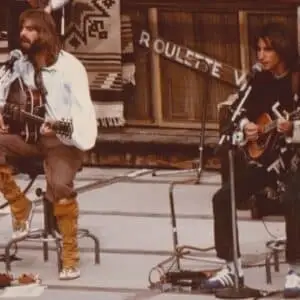
Chapter 2: Watch the video here ->

Related Posts

Mumford & Sons’ staggering “House of the Rising Sun” cover reshapes folk music with mind-blowing solos from Trombone Shorty

Chapter 1: A Folk Revival Ignites in New Orleans In 2023, Mumford & Sons delivered a performance that quickly caught fire online, racking up millions of views…

P!nk Invites 12-Year-Old Fan To Sing In Her Show

Chapter 1: A Tweet That Turned Into a Stage Moment For most young singers, performing with their idol remains a distant dream. But for 12-year-old Victoria Anthony,…

Released in 1958, this song didn’t need grand moments to be unforgettable… it simply spoke from the heart, and somehow never left.

Chapter 1: A Gentle Promise in a Golden Era Released in 1958, “You Are My Destiny” by Paul Anka arrived at a time when rock and roll…

Tommy Roe’s “Sweet Pea” Brings Bubblegum Pop to the Forefront and Captures Teen Spirit in 1966

Chapter 1: A Sweet Sound in a Changing Decade When “Sweet Pea” arrived in 1966, it didn’t try to compete with the growing noise of revolution in…

Gianluca Ginoble’s Quiet Gesture Turned a Concert Into a Memory

Chapter 1: A Quiet Gesture That Spoke Louder Than Music Not every moment on stage is designed. Some unfold naturally—and those are the ones people remember. During…

The Cascades’ “Rhythm of the Rain” Captures Heartbreak and Climbs Global Charts in 1963

Chapter 1: The Sound of Rain and Heartbreak When Rhythm of the Rain arrived in 1963, it carried a quiet emotional pull that instantly set it apart….